
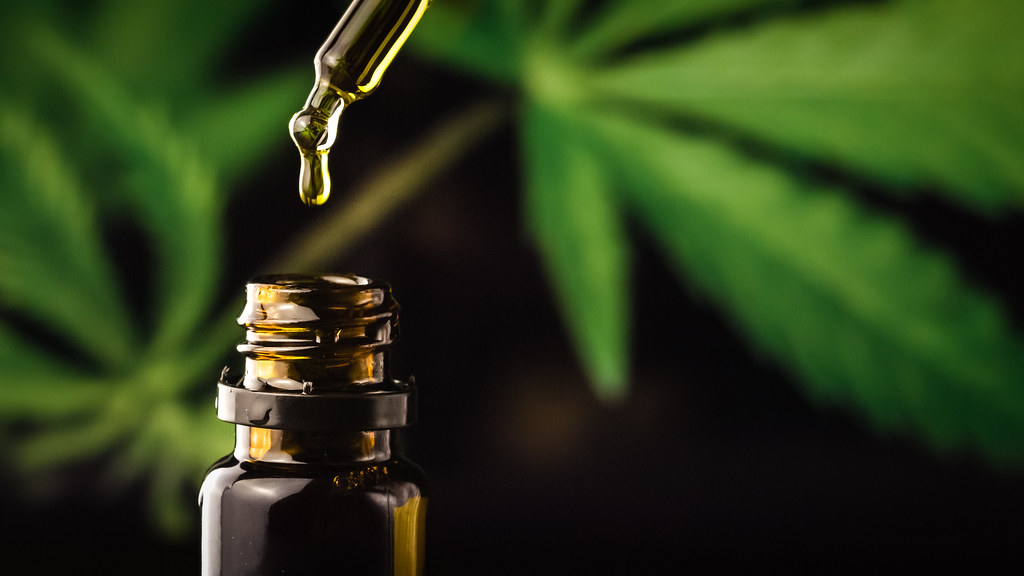
Illinois residents should stay up to date on the latest rules and ensure CBD products remain legal in the state before making a purchase.
Cannabidiol, commonly known as CBD, has become increasingly popular as a wellness product, used for everything from managing stress to supporting sleep. As demand for CBD products has grown, questions about legality have followed, especially given varying laws at the federal and state levels. In Illinois, understanding the legal landscape of CBD is essential for residents, business owners, and consumers alike.
CBD Defined
CBD is a natural compound found in the cannabis plant. Unlike THC, another well‑known cannabinoid, CBD does not produce a psychoactive “high.” Products containing CBD can come in many forms, including oils, tinctures, edibles, capsules, topicals, and vape products.
In legal terms, what matters most is the source of the CBD and the amount of THC present. Hemp, which contains very low levels of THC, has been distinguished from marijuana under federal and state law, influencing how CBD products are regulated.
State Law on CBD in Illinois
In Illinois, CBD is legal under state law when it is derived from hemp that meets specific regulatory criteria, particularly THC content thresholds. The state has adopted a framework that allows the cultivation, processing, sale, and use of hemp and hemp‑derived products, including CBD.
Hemp must contain no more than a specified maximum percentage of THC by dry weight, consistent with federal guidelines. Products that comply with this standard are considered legal for sale and use in Illinois. This applies to both consumable products like CBD oil and topical preparations such as creams and balms.
Illinois has integrated its hemp program into state agriculture and regulatory systems, requiring growers and processors to obtain licenses and follow reporting requirements. Retailers selling CBD products must also adhere to labeling and testing standards to ensure consumers receive safe and accurately represented products.
Federal Influence and State Coordination
Federal law plays a significant role in CBD legality across the United States. The federal agricultural statute that legalized hemp at the national level established that hemp with low THC can be grown and sold, and this has influenced Illinois law. Essentially, if a product meets the definition of legal hemp, it is permitted under state law as well.
However, even federally legal hemp products are still subject to state regulatory schemes. Illinois has opted to regulate CBD products through both agricultural oversight of hemp and consumer product safety measures. These overlapping systems aim to ensure products are safe and accurately labeled, protecting public health.
Where You Can Find CBD in Illinois
CBD products are widely available across Illinois. Health food stores, specialty CBD retailers, pharmacies, and online vendors offer a range of CBD formulations.
Many of these products are marketed for general wellness, while some make specific therapeutic claims. It’s important for consumers to exercise caution: products that make explicit health claims may be subject to additional regulatory scrutiny. Retailers and manufacturers must avoid unapproved medical claims to remain compliant with state and federal guidelines.
Vape products containing CBD are also legal in Illinois, provided they derive from compliant hemp and meet applicable testing and labeling requirements. Retailers must ensure these products contain allowable levels of THC and are free of harmful additives.
Regulatory Requirements in Illinois
Illinois law requires that hemp and hemp‑derived products, including CBD, meet several regulatory requirements:
• Licensing: Producers and processors of hemp must obtain state licenses.
• Testing: Products must undergo laboratory testing to confirm THC levels and ensure they are free from contaminants such as pesticides, heavy metals, and solvents.
• Labeling: CBD product labels must accurately list contents, including CBD and THC levels, and avoid misleading claims.
• Retail Compliance: Retailers must ensure products they sell are properly tested and labeled, and they must comply with restrictions on marketing and advertising.
These rules are designed to protect consumers and create a reliable market for hemp products. They also help distinguish legitimate CBD products from those that are untested or potentially unsafe.
Age Restrictions and Purchase Requirements
In Illinois, the sale of CBD products is generally restricted to adults, though the exact age requirement can vary depending on the type of product. Most retailers require purchasers to be 21 or older, aligning with regulations on cannabis products more broadly.
For products marketed with therapeutic claims, additional rules may apply. Healthcare professionals may have guidance on recommending CBD products, but products that claim to treat or cure medical conditions fall into a separate regulatory category that is more restrictive.
Consumer Safety and Best Practices
Even though CBD is legal in Illinois, consumers should be aware of safety considerations. Because the market is rapidly evolving, not all products are created equal. Quality, potency, and safety can vary widely between brands and sources.
• Look for products that provide third‑party testing results, showing cannabinoid content and confirming the absence of harmful contaminants.
• Avoid products that make specific medical claims without approval from regulatory authorities.
• Be cautious with products marketed at very low prices, as quality control may be lacking.
• Consult a healthcare professional if using CBD alongside medications or to address specific health concerns.
Challenges and Ongoing Developments
As CBD continues to grow in popularity, regulatory bodies in Illinois and across the United States are adapting to new products and market dynamics. Lawmakers and regulators periodically update rules to address emerging issues such as novel formulations, synthetic cannabinoids, and cross‑state commerce.
Consumers should stay informed about changes in law and enforcement priorities, especially if they travel with CBD products outside Illinois. What is legal in one state may not be legal in another, especially where hemp and cannabis laws diverge.
• Legal when derived from compliant hemp with low THC.
• Must meet state testing, labeling, and safety requirements.
• Widely available in retail and online markets.
• Age restrictions typically apply for purchase.
• Healthcare guidance recommended for therapeutic use.
• Regulatory landscape continues to evolve.
Understanding the legal status of CBD in Illinois helps consumers navigate the market safely and confidently. With clear guidelines on production, testing, and sale, the state aims to balance access with safety, ensuring that residents can make informed choices about CBD products.