
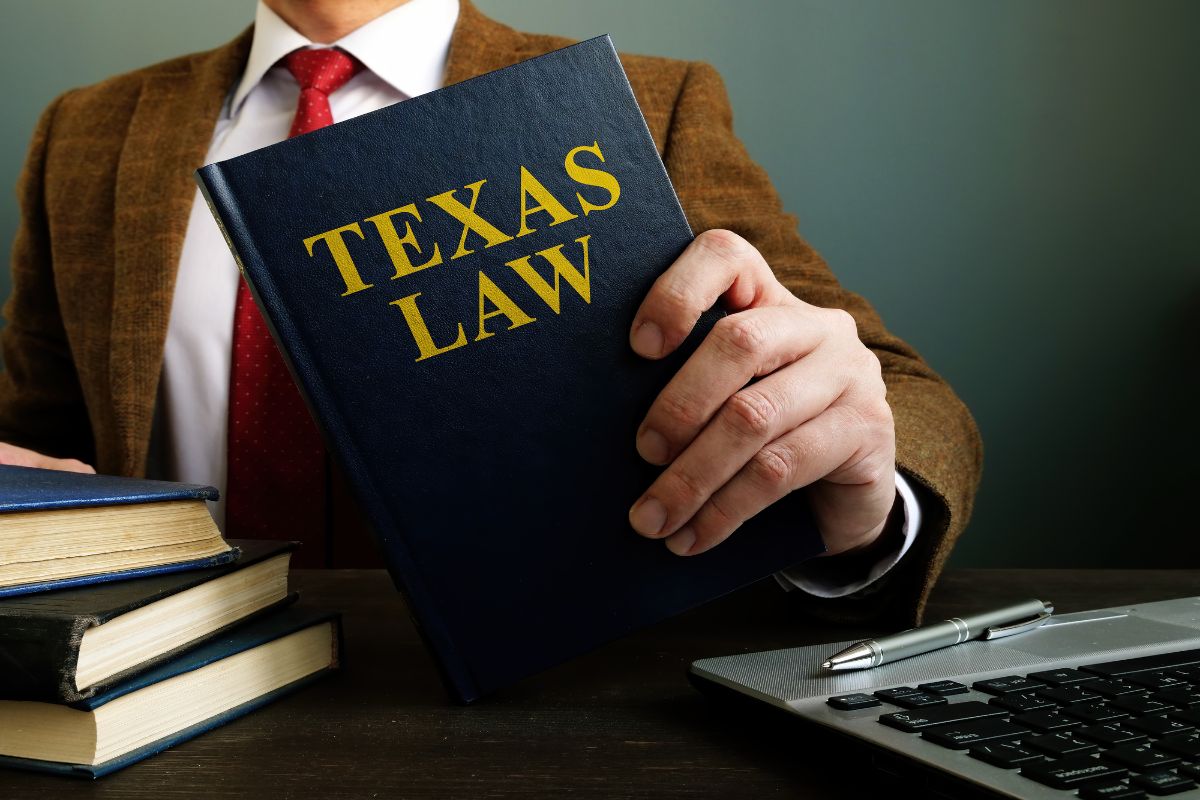
Texans are curious about whether CBD, including gummies, and weed, are legal in Texas as of 2025.
Texas has some of the strictest cannabis laws in the United States, but the picture is more nuanced than a simple legal-or-illegal answer.
CBD products are widely sold across the state, marijuana remains illegal for recreational use, and a tightly controlled medical program exists for specific patients.
Confusion often arises around hemp-derived products, especially CBD gummies and other edibles that appear similar to marijuana products sold legally in other states.
Here is a clear, factual breakdown of where Texas law stands today.
Marijuana Laws in Texas
Recreational marijuana is illegal in Texas under state law.
Possession, sale, and cultivation of marijuana with higher levels of THC are criminal offenses, even though enforcement can vary by city or county.
Texas has not legalized adult-use cannabis, and there is no statewide ballot initiative process that would allow voters to directly approve legalization.
Penalties depend on the amount involved:
- Possession of up to two ounces is a Class B misdemeanor
- Two to four ounces is a Class A misdemeanor
- Larger amounts can result in felony charges and prison time
Some large cities have adopted “cite and release” policies or deprioritized low-level possession, but these are local enforcement decisions, not changes in the law.
Statewide, marijuana remains illegal for recreational use.
Medical Marijuana in Texas
Texas does allow limited medical marijuana through the Compassionate Use Program.
READ: Is CBD Legal in Illinois? What You Need to Know
This program is far more restrictive than medical cannabis systems in most other states.
Only low-THC cannabis products are permitted, and smoking marijuana is not allowed under the program.
As of recent updates, eligible patients may use cannabis products containing up to 1% THC by weight, which is higher than the original limit but still low compared to other states.
Qualifying conditions include:
- Intractable epilepsy
- Multiple sclerosis
- Autism
- PTSD
- Certain neurodegenerative diseases
- Cancer and some chronic pain conditions, as determined by a physician
Patients must be prescribed cannabis by a registered Texas physician, and products must be obtained from a state-licensed dispensary.
Key features of the Texas medical system include:
- No smokable flower
- Oils, tinctures, lozenges, and similar products only
- Mandatory physician registration
- State-controlled production and distribution
While legal for approved patients, the program serves a relatively small portion of the population.
Is CBD Legal in Texas?
CBD is legal in Texas when it is derived from hemp and meets state and federal requirements.
Hemp was legalized under Texas law following federal changes that allowed cultivation and sale of hemp containing no more than 0.3% delta-9 THC by dry weight.
CBD products sold legally in Texas must come from hemp, not marijuana, and must stay below that THC threshold.
Texas regulates hemp products through state agencies that require:
- Product testing
- Labeling compliance
- THC concentration limits
CBD oil, capsules, topicals, beverages, and edibles are commonly sold in retail stores and online.
However, legality depends on the actual chemical content of the product, not how it is marketed.
CBD that exceeds THC limits may be treated as illegal marijuana under Texas law.
Are CBD Gummies Legal in Texas?
CBD gummies are legal in Texas if they meet hemp compliance standards.
The most important factor is the amount of delta-9 THC in the finished product.
Under Texas law, CBD gummies must contain no more than 0.3% delta-9 THC by dry weight.
This means a gummy can legally contain a very small amount of THC, as long as it stays below the limit.
CBD gummies sold in Texas must also follow labeling and testing rules set by the state.
Key points consumers should understand:
- Hemp-derived CBD gummies are legal
- Marijuana-derived gummies are illegal
- THC concentration is measured by dry weight
- Products outside limits can lead to criminal charges
Because gummies vary in size and formulation, products that appear similar can fall on opposite sides of the law.
Delta-8, Delta-9, and Other THC Variants
Much of the confusion around CBD gummies comes from different forms of THC.
Delta-9 THC is the primary psychoactive compound found in marijuana and is strictly limited in hemp products.
Delta-8 THC is chemically similar but occurs naturally in very small amounts and is often produced from hemp-derived CBD.
In Texas, delta-8 has existed in a legal gray area.
State agencies have attempted to ban delta-8 products, but court rulings have temporarily blocked enforcement of those bans.
As a result, delta-8 products are widely sold, though their legal status remains unsettled and subject to ongoing litigation.
Important distinctions include:
- Delta-9 THC over 0.3% is illegal
- Delta-8 products are currently sold but legally contested
- Synthetic cannabinoids are illegal
- Enforcement may vary by jurisdiction
Consumers should be aware that legal uncertainty means rules can change quickly.
Hemp Flower and Smokable Products
Texas law once attempted to ban smokable hemp, but that ban was blocked by the courts.
As a result, hemp flower that meets THC limits is legal to sell and possess.
However, smokable hemp can create legal risk because it is visually indistinguishable from marijuana.
Law enforcement may still seize products for testing, and individuals may face temporary detention until THC levels are verified.
This practical reality leads many consumers to prefer clearly labeled, lab-tested CBD products.
Age Restrictions and Retail Sales
Texas law does not clearly set a universal minimum age for purchasing CBD, but many retailers impose age limits voluntarily.
Common retail policies include:
- Minimum age of 18 or 21
- ID verification at point of sale
- Refusal to sell smokable products to minors
Online sales often include age verification as well.
Local ordinances may also affect where and how CBD products are sold.
Enforcement and Legal Risks
Even when products are legal under hemp law, enforcement can be inconsistent.
Mislabeling, inaccurate testing, or transportation of products without documentation can lead to legal issues.
For travelers and residents, the biggest risks include:
- Carrying products that exceed THC limits
- Purchasing from unverified sellers
- Confusing marijuana-derived products with hemp-derived ones
Texas treats THC concentration as the deciding factor, not intent or misunderstanding.
The Bottom Line on Cannabis in Texas
Texas maintains a strict stance on marijuana while allowing limited medical use and a regulated hemp market.
CBD and CBD gummies are legal if they meet hemp standards, but marijuana remains illegal for recreational use.
Ongoing legal challenges and legislative debates mean the landscape can shift, especially around hemp-derived THC products.
For now, compliance with THC limits, labeling rules, and state regulations is essential for anyone buying or selling cannabis-related products in Texas.