
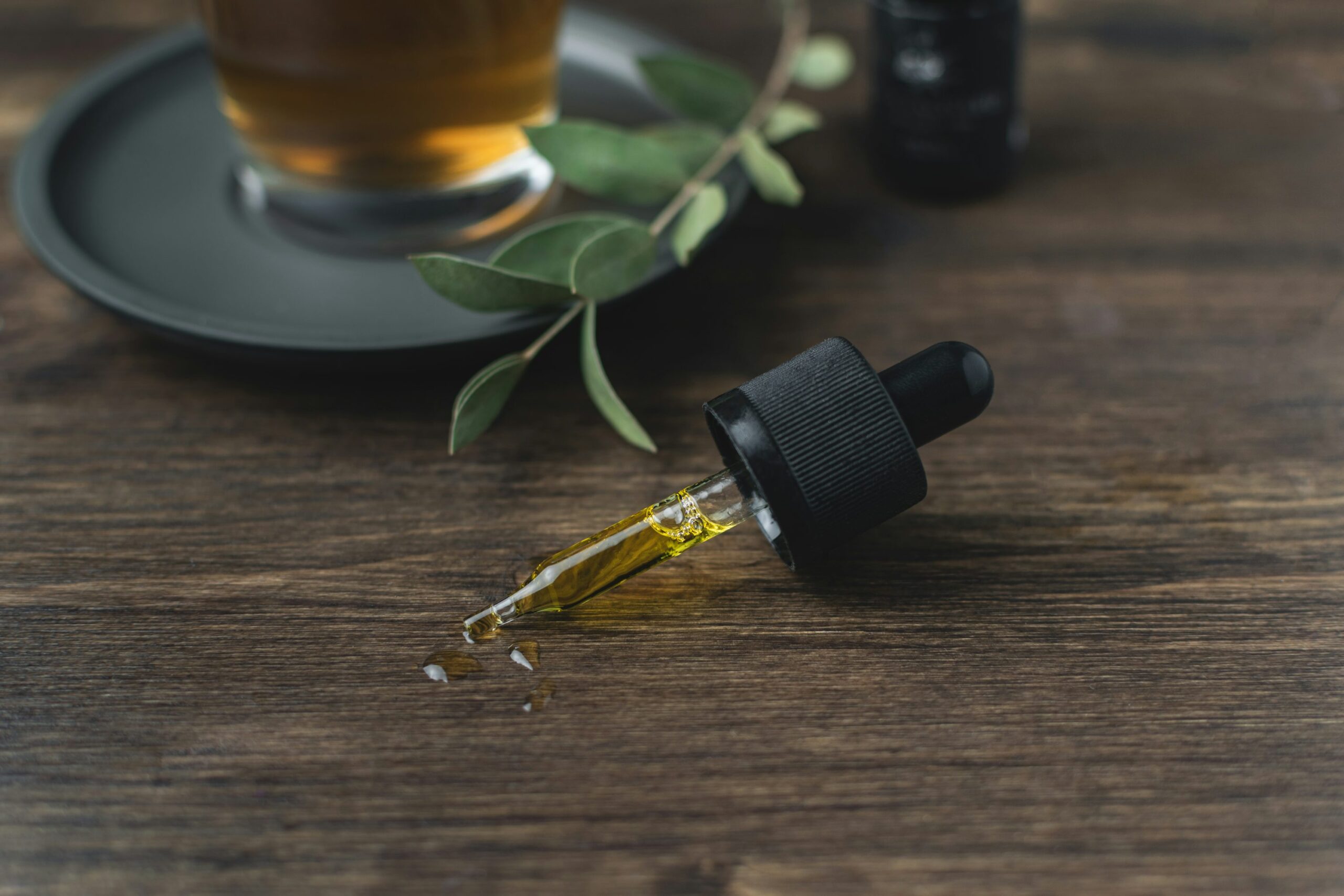
CBD is legal in Alabama in some cases, but weed is illegal if it is being used for recreational purposes.
Cannabis laws in the United States vary widely from state to state, and Alabama’s approach has evolved in recent years. Discussions around marijuana legalization, CBD accessibility, medical marijuana programs, and enforcement have made the legal landscape complex and, at times, confusing for residents and visitors alike. Understanding what is allowed under Alabama law and what remains prohibited is essential for anyone living in or traveling through the state.
This article breaks down the current legal status of cannabis in Alabama, including CBD products, medical cannabis, recreational marijuana, and what individuals need to know to stay within the bounds of the law.
Marijuana Laws in Alabama
Recreational marijuana, commonly known as weed, is illegal in Alabama under state law. Possession, distribution, cultivation, and sale of marijuana without proper authorization are criminal offenses.
Alabama classifies marijuana possession based on the amount, and penalties increase with the quantity involved:
- Possession of small amounts can result in misdemeanors with fines and possible jail time
- Possession of larger quantities may lead to felony charges and more significant prison sentences
- Distribution or intent to distribute carries increasingly severe penalties
Law enforcement in Alabama continues to arrest and prosecute individuals for marijuana-related offenses. While many states have adopted decriminalization or full legalization for adult recreational use, Alabama has not taken those steps. Therefore, residents and visitors must be aware that recreational marijuana remains against the law.
Medical Marijuana Status in Alabama
In contrast to the prohibition on recreational cannabis, Alabama has a legal medical marijuana program. The state implemented medical cannabis laws to provide regulated access to marijuana for qualifying patients under defined conditions.
The medical marijuana program allows individuals with specific health conditions to obtain cannabis products with higher levels of THC, the psychoactive compound in marijuana responsible for the “high.” Patients must be certified by a qualified physician and registered with the state’s medical cannabis program. Only products obtained through licensed dispensaries are considered legal under this system.
Medical conditions that may qualify an individual for participation in Alabama’s medical cannabis program include chronic pain, cancer, multiple sclerosis, post-traumatic stress disorder, and other debilitating conditions as defined by state regulations. Patients with a valid doctor’s recommendation and state-issued medical marijuana card can purchase and use cannabis products within the program’s guidelines.
Products available through the medical marijuana program are subject to regulations regarding potency, labeling, tracking, and testing. This regulated framework is intended to ensure patient safety and accountability.
Despite the existence of a medical marijuana program, it is important to understand that medical cannabis in Alabama is not the same as unrestricted recreational use. Only approved patients with proper documentation can legally access these products.
Is CBD Legal in Alabama?
CBD, or cannabidiol, is one of many cannabinoids found in cannabis plants. Unlike THC, CBD does not produce psychoactive effects. CBD products have gained widespread popularity for wellness and relief purposes, and many consumers seek them for pain relief, anxiety management, and other uses.
In Alabama, CBD is legal under certain conditions. The state’s laws allow the sale and possession of CBD products derived from hemp plants that contain no more than 0.3% THC by dry weight. This aligns with federal law, which legalized hemp and hemp-derived products meeting strict THC limits.
CBD products available in Alabama include oils, tinctures, capsules, topicals, edibles, and more. These products can be purchased at health stores, specialty CBD retailers, and online, provided they meet the legal requirements for hemp-derived CBD.
Key Points About CBD Legality in Alabama
- CBD products must come from hemp with no more than 0.3% THC
- Hemp-derived CBD is legal to sell and possess
- Products must comply with labeling and testing standards
- CBD is not regulated as a dietary supplement by the state
It’s important to note that not all CBD products are created equal. Because the market includes a wide range of manufacturers and products, consumers should look for reputable brands with transparent testing and labeling practices. Products that exceed the THC limit could be considered illegal marijuana under Alabama law.
Distinction Between Hemp and Marijuana
Understanding the difference between hemp and marijuana is crucial when discussing CBD legality.
Hemp and marijuana are both part of the cannabis family but are defined differently based on their THC content. Hemp contains low levels of THC, while marijuana contains higher levels that can produce psychoactive effects.
In Alabama:
- Hemp-derived CBD products with 0.3% THC or less are legal
- Marijuana-derived products with higher THC are only legal through the medical cannabis program
- Recreational marijuana remains illegal
This distinction means that a CBD product made from marijuana plants with high THC—even if marketed as CBD—is not legal for general sale or possession unless obtained through the state’s medical marijuana program.
Regulations and Consumer Considerations
For CBD products in Alabama, both state and federal regulations influence what is available and legal for consumers to purchase.
Retailers selling CBD are expected to follow state guidelines related to product testing, labeling, and THC limits. Consumers should be cautious and informed when buying CBD products, as mislabeling and unregulated products can lead to legal and health risks.
Consumers are advised to:
- Seek products with third-party lab testing
- Check labeling for accurate THC and CBD content
- Avoid products making unfounded health claims
- Keep receipts and product information for legal reference
Because Alabama law focuses on THC content rather than the presence of CBD itself, products that inadvertently exceed the legal THC threshold may be considered illegal. Therefore, consumer awareness and careful shopping are important.
Enforcement and Legal Risks
Even though CBD is legal under specific conditions, law enforcement in Alabama still enforces cannabis laws for products that fall outside those conditions. Possession of marijuana with higher THC levels without qualifying for the medical cannabis program can lead to criminal charges.
Individuals should be aware that:
- Police may test products suspected of containing illegal levels of THC
- Misunderstanding of product contents is not a legal defense
- Traveling with cannabis products across state lines can create complex legal issues
Visitors to Alabama should also be cautious. If you are traveling with CBD or medical marijuana products obtained elsewhere, ensure that they meet Alabama’s legal standards. Failure to do so could result in legal consequences.
The Role of Federal Law
Federal law legalized hemp and hemp-derived products that contain no more than 0.3% THC. This federal standard influences state regulations, including Alabama’s acceptance of hemp-based CBD products.
However, marijuana remains a Schedule I controlled substance under federal law, which means that marijuana-derived products are illegal at the federal level except in federally approved research settings. Medical marijuana programs in states like Alabama operate under state authority, creating a dual system where state law permits what federal law restricts.
This dual legal framework can cause confusion for consumers and law enforcement alike, but in Alabama, the priority remains on adherence to state statutes.
What Residents Should Know
For residents and visitors in Alabama, understanding cannabis laws is key to making informed decisions about CBD and marijuana products.
Here are some practical takeaways:
- Recreational marijuana is illegal in Alabama
- Medical marijuana is available to qualifying patients with state registration
- CBD products derived from hemp with low THC are legal
- Products exceeding the THC limit can be treated as illegal marijuana
People considering CBD products should know the legal distinctions and ensure that the products they purchase meet state requirements. For medical marijuana patients, following the state’s registration and dispensing system is essential to lawful use.
Freedom to explore wellness options like CBD carries responsibility. Staying informed about current laws and regulations helps individuals avoid legal trouble and access products safely and legally.
Key Points About Cannabis and CBD in Alabama
- Recreational marijuana remains illegal
- Medical marijuana is legal for qualifying patients
- Hemp-derived CBD products with low THC are legal
- THC thresholds determine legality
- Consumers should choose reputable products
What to Remember When Purchasing CBD
- Check THC content on labels
- Seek products with verified testing
- Understand that hemp and marijuana products are treated differently
- Know the legal implications for possession and use
Practical Tips for Consumers
- Buy from reputable retailers
- Retain proof of product testing and purchase
- Consult healthcare providers if using CBD for health reasons
- Be aware of travel implications with cannabis products
Understanding Alabama’s cannabis laws empowers residents and visitors to make responsible decisions about CBD and marijuana-related products while staying within the boundaries of the law.