
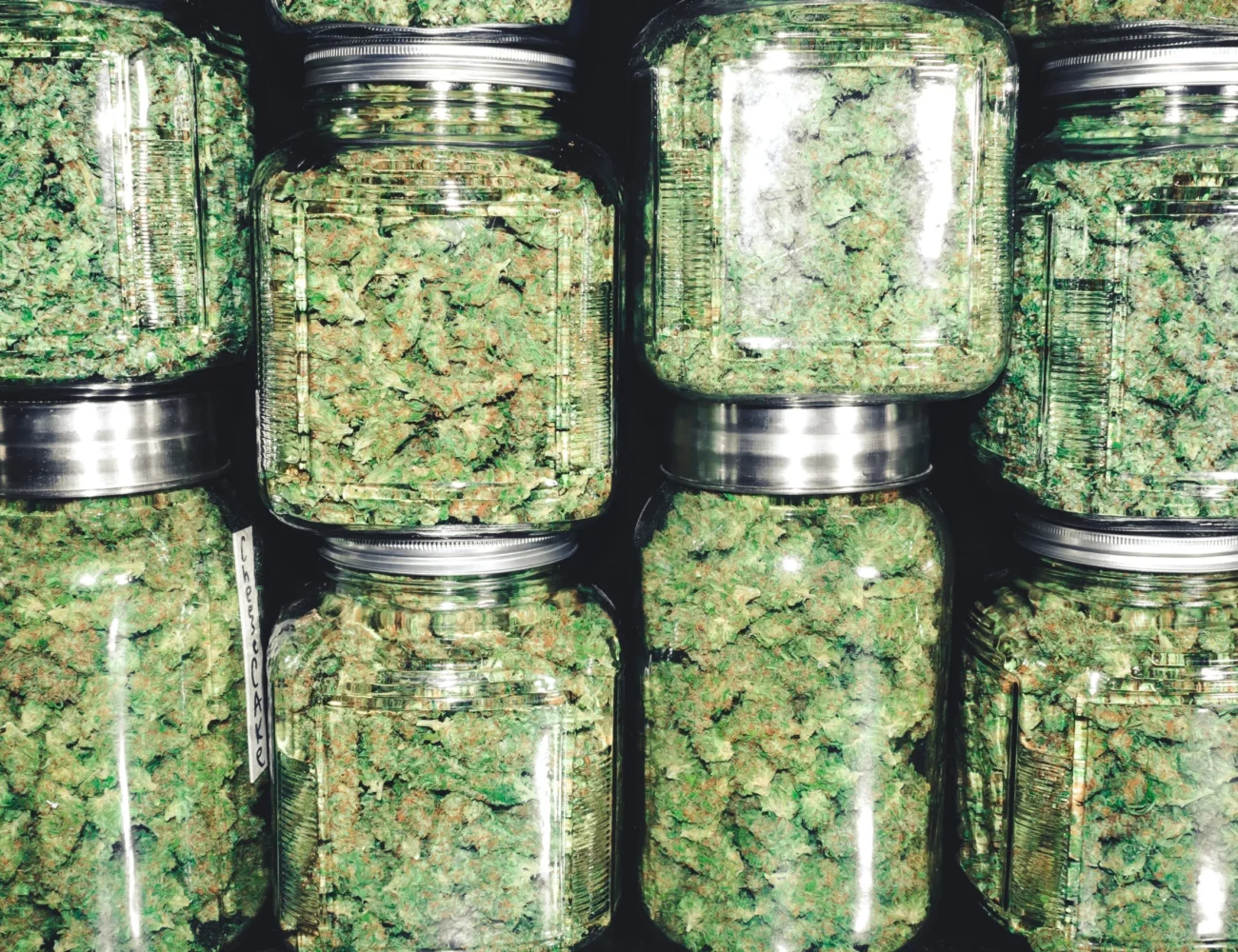
Your storage setup matters more than you think. Here’s what’s actually happening to your weed — and how to stop it.
You buy quality flower, bring it home, and toss it in whatever container is closest. Two weeks later it’s dry, harsh, and barely smells like anything. Sound familiar?
This isn’t bad luck. It’s the predictable result of storing cannabis without understanding what’s actually degrading it. The good news is that freshness preservation isn’t complicated — it mostly comes down to one variable that most people underestimate: whether your container is truly airtight.
What “Going Stale” Actually Means for Cannabis
When people say weed has gone stale, they’re usually describing a cluster of changes that happen together: the smell fades, the texture dries out, the smoke gets harsher, and the effects feel weaker or just different. Each of these has a specific cause.
Terpenes — the aromatic compounds responsible for smell and flavor — are volatile. They evaporate at room temperature when exposed to air, which is why flower that’s been sitting in a loosely sealed container loses its distinct character over time. What’s left smells flat and generic.
THC, the primary psychoactive cannabinoid, oxidizes when exposed to oxygen. Over time it converts to CBN, a mildly sedating compound with a fraction of the potency. This is why old, improperly stored weed tends to make people feel sleepy rather than high — it’s literally become a different substance.
Moisture loss is the third factor. Cannabis flower has a natural moisture content that affects how it burns and how it feels in the hand. Too dry and it combusts too fast, produces harsh smoke, and crumbles instead of breaking apart cleanly.
“Terpenes evaporate. THC oxidizes. Moisture escapes. All three happen faster when your container isn’t airtight.”
Why Most Containers Fail
The default storage options most people reach for — plastic bags, basic screw-top jars, repurposed food containers — all share the same fundamental flaw: they don’t actually seal.
A plastic bag has no rigid structure and lets air exchange freely through microscopic gaps. Even when you squeeze the air out before sealing it, oxygen re-enters within hours. Plastic also creates static that pulls trichomes off your flower and sticks them to the inside of the bag — and trichomes are where the cannabinoids and terpenes are concentrated.
Standard screw-top jars are better, but most don’t create a true hermetic seal. The lid threads allow for a small but consistent air exchange, especially as the rubber or foam gasket inside degrades with use. Mason jars are the most cited example — they’re good for canning because the canning process itself creates a vacuum, not because the lid alone is airtight.
Repurposed food containers — old pill bottles, spice jars, takeout tubs — were designed for a different purpose and perform accordingly. They’re not built to maintain the specific temperature, humidity, and oxygen levels that keep cannabis fresh.
What Airtight Actually Means
A genuinely airtight container creates a hermetic seal — a closure that prevents any air exchange between the inside and outside environment. In practical terms, this means a gasket or seal made from a material that compresses uniformly when the lid is closed, leaving no gaps for air to pass through.
This matters for three reasons. First, it stops oxygen from reaching your flower and triggering the oxidation that converts THC to CBN. Second, it prevents terpenes from escaping into the surrounding air. Third, it stabilizes the internal humidity level — once you close a properly sealed container, the moisture content of your flower stays constant rather than equilibrating with whatever humidity is in your room.
If you pair a hermetic seal with a humidity pack inside the container, you can actively control the internal RH level rather than just passively protecting against change. The target range for cannabis storage is 58–62% relative humidity — enough to keep the flower pliable and aromatic without creating conditions for mold.
The Role of Glass
Material matters as much as seal quality. Glass is the gold standard for cannabis storage because it’s non-porous and chemically inert — it doesn’t interact with the terpenes or cannabinoids, and it doesn’t absorb or release moisture the way wood or some plastics do.
Not all glass is equal, though. Clear glass allows UV light to pass straight through, and UV exposure is one of the fastest ways to degrade cannabinoids. Research on cannabis degradation consistently identifies light — specifically UV wavelengths — as a primary factor in potency loss, even more significant than temperature in controlled conditions.
UV-blocking glass, typically amber or dark-tinted borosilicate, filters out those wavelengths before they reach the flower. If you’re storing anything for more than a week or two, the difference is noticeable.
Choosing the Right Airtight Container
When evaluating storage options, the criteria that actually matter are: seal type (hermetic gasket vs. friction fit vs. screw thread), material (borosilicate glass vs. standard glass vs. plastic), UV protection (blocking vs. clear), and capacity relative to your typical purchase size.
On capacity: storing a small amount in a large container is counterproductive. The excess airspace inside the jar means more oxygen in contact with your flower even with the lid sealed. Size your container to your typical quantity — a half ounce jar for half ounce purchases, not a quart mason jar with two grams rattling around inside.
The Keefer Onyx™ Stash Jar is purpose-built around these criteria. It uses UV-blocking borosilicate glass and a hermetic silicone gasket seal, holds a half ounce — the most common dispensary purchase size — and functions as a genuine airtight weed stash jar rather than a repurposed general-storage container. If you’ve been cycling through options that technically work but don’t quite deliver, it’s worth a look.
Other Factors Worth Controlling
Airtightness is the biggest lever, but a few other variables are worth keeping in mind once your container is dialed in.
Temperature. Cool and consistent is better than warm or fluctuating. The 60–70°F range is ideal. Avoid storing near appliances that generate heat, on top of the refrigerator, or anywhere that gets direct sunlight.
Handling. Every time you open the container, you introduce fresh air and potentially disturb the trichomes. Minimize unnecessary opens, and avoid shaking or agitating the jar when you don’t need to.
Separation. If you’re storing multiple strains, keep them in separate containers. Terpene profiles mix over time and you’ll lose the distinct character of each strain if they share a jar.
Humidity packs. A 62% Boveda or Integra pack inside a sealed container gives you active humidity control rather than passive protection. Replace them when they harden — that’s the signal they’ve been exhausted.
The Bottom Line
Most weed goes stale not because of anything exotic, but because the container it’s stored in isn’t actually doing its job. Oxygen gets in, terpenes get out, and the result is flower that’s a shadow of what it was when you bought it.
Getting an airtight container — a genuinely airtight one, with a proper gasket seal and UV-blocking glass — is the single most impactful upgrade you can make to how you store cannabis. Everything else is secondary.