
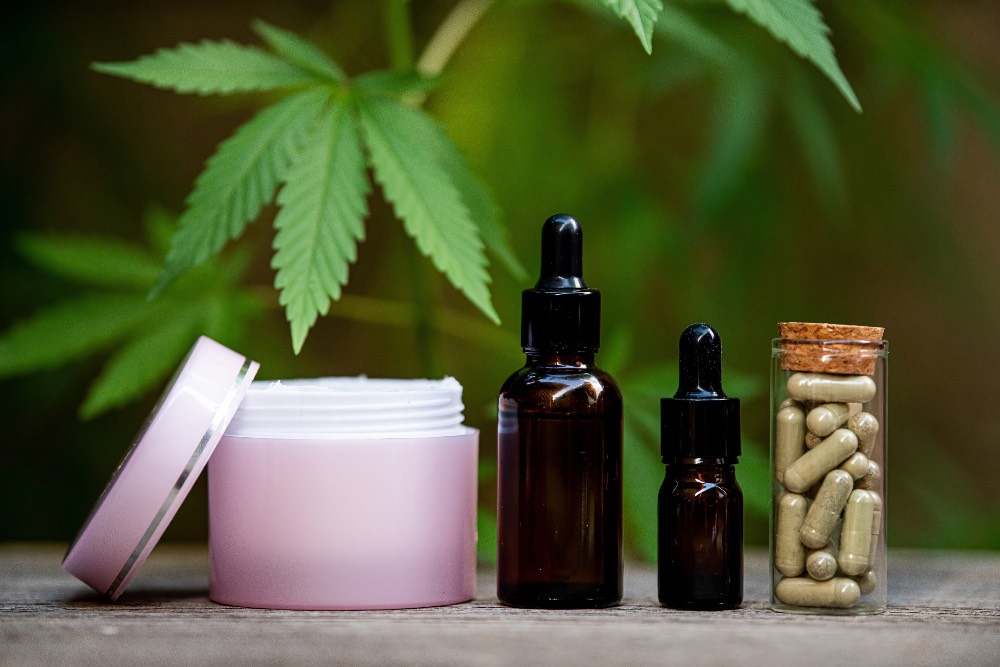
Each state has its own rules regarding how old residents need to be to legally buy CBD.
Cannabidiol, better known as CBD, has become a mainstream wellness product in the United States. Marketed for everything from stress relief and sleep support to pain management and skin care, CBD is available in oils, edibles, topicals, capsules, and vape products. But despite its growing popularity and legal status under federal law, one question often confuses consumers: how old do you have to be to buy CBD in the U.S.?
The answer isn’t a single national standard because age requirements depend largely on state law, the type of CBD product being sold, and how that product is marketed. This article breaks down the key legal distinctions so consumers and retailers alike can navigate the CBD marketplace with clarity.
Federal Legal Framework and CBD Age Restrictions
At the federal level, the 2018 agricultural statute legalized hemp and hemp‑derived products, including CBD, provided they contain no more than a specified maximum level of THC. This federal statute does not set a specific minimum age for purchasing CBD products. Instead, it defers to states to regulate sales, including age limits.
Because of this, federal law alone does not universally restrict CBD sales to adults only, but in practice, federal regulations related to tobacco and vaping can intersect with CBD products containing nicotine or being marketed as vape liquids. Retailers selling those types of products often adopt age limits similar to those for tobacco, typically 21 or older, even if the CBD itself isn’t federally age‑restricted.
State Age Requirements: Wide Variation Across the Country
Since the federal framework does not impose a specific minimum age for CBD purchases, states have stepped in to set their own rules. These age restrictions vary widely. Some states treat CBD similarly to other wellness supplements, allowing sales to adults 18 and older. Others impose a minimum age of 21, aligning CBD sales with marijuana or tobacco regulations.
In states with regulated cannabis markets, especially where adult‑use marijuana is legal, the age to purchase CBD products is often tied to the cannabis regulatory framework, typically 21 years old. This applies even if the CBD product is derived from hemp rather than marijuana, because regulators aim to maintain consistent age norms for all cannabis‑related products.
Other states fall in between. Some permit CBD sales to adults 18 and older for certain products like edibles or tinctures, while reserving higher age limits for products like vape pens or concentrates. These distinctions reflect ongoing policy discussions about youth vaping and broader public health concerns.
CBD in Vape Products and Age Rules
An important nuance arises with CBD vape products. Many states have enacted strict age limits for vaping products in response to concerns about youth vaping. In practice, this means that even if hemp‑derived CBD is legal statewide, retailers may still require customers to be 21 or older to purchase CBD vape juice or cartridges.
Retailers often adopt age verification processes similar to those used for tobacco products, checking government‑issued IDs at the point of sale. Online sellers may require age verification through third‑party services before processing orders. These practices help businesses comply with state regulations and avoid penalties.
Medical vs. General Wellness CBD
In some states, CBD products are regulated under medical cannabis programs. In these cases, individuals may need to be 18 or older with a qualifying condition and a medical recommendation, while caregivers may be authorized to purchase on behalf of minors for approved medical use.
This structure creates a separate category of legal CBD access that differs from general wellness products sold over the counter. For example, a 16‑year‑old with a doctor’s recommendation may legally access certain CBD products through a state’s medical cannabis program, but that same person would be prohibited from buying CBD products marketed for general wellness at a retail store.
Retail Practices and Age Verification
Regardless of legal age requirements, many reputable CBD retailers voluntarily adopt age verification policies to protect their businesses and customers. These practices typically include:
• Requiring government‑issued ID for in‑store purchases.
• Using age verification services for online orders.
• Restricting sales of vape or inhalable products to adults 21 and older.
• Training staff to check IDs consistently.
These safeguards help ensure that products are sold responsibly and reduce the risk of underage use, especially for items with inhalation delivery systems.
Why Age Restrictions Matter
Age restrictions on CBD sales are not just legal technicalities—they reflect broader public health considerations. Young people’s brains are still developing, and regulators are particularly cautious about products that deliver cannabinoids through inhalation or that resemble products popular among youth, such as flavored vape cartridges or gummies.
By setting age requirements, states aim to reduce the risk of unintentional use by minors, prevent normalization of drug use at a young age, and align CBD regulation with other age‑restricted products like alcohol and tobacco.
Best Practices for Consumers and Retailers
Given the patchwork of laws across the U.S., consumers and retailers should be aware of the rules in their specific state. Visitors from out of state should also check local regulations, as age limits can differ from where they live.
• Know your state’s minimum age for CBD purchases—18 or 21.
• Treat vape products as age‑restricted even if hemp CBD is legal.
• Be prepared to show valid ID at the point of sale.
• Understand that medical cannabis programs may offer separate access rules.
• Check local laws before transporting CBD across state lines.
For retailers:
• Implement consistent age verification at checkout.
• Provide staff training on state age laws and compliance.
• Separate product categories with different age restrictions.
• Monitor regulatory updates, as states frequently revise CBD rules.
Age Limits in Practice: Key Points
• Federal law does not impose a universal age requirement for buying CBD.
• Many states set their own age limits, usually either 18 or 21.
• CBD vape products are often treated like tobacco and restricted to age 21.
• Medical cannabis programs may allow minors with qualifying conditions to access CBD under supervision.
• Retailers commonly verify age to comply with state laws and protect public health.
• Out‑of‑state consumers should check local requirements before purchasing.
Understanding age requirements for CBD products in the United States requires attention to state law and the type of product being sold. With varying regulations and evolving policies, consumers and retailers alike should stay informed to ensure compliance and promote safe access to CBD products.