
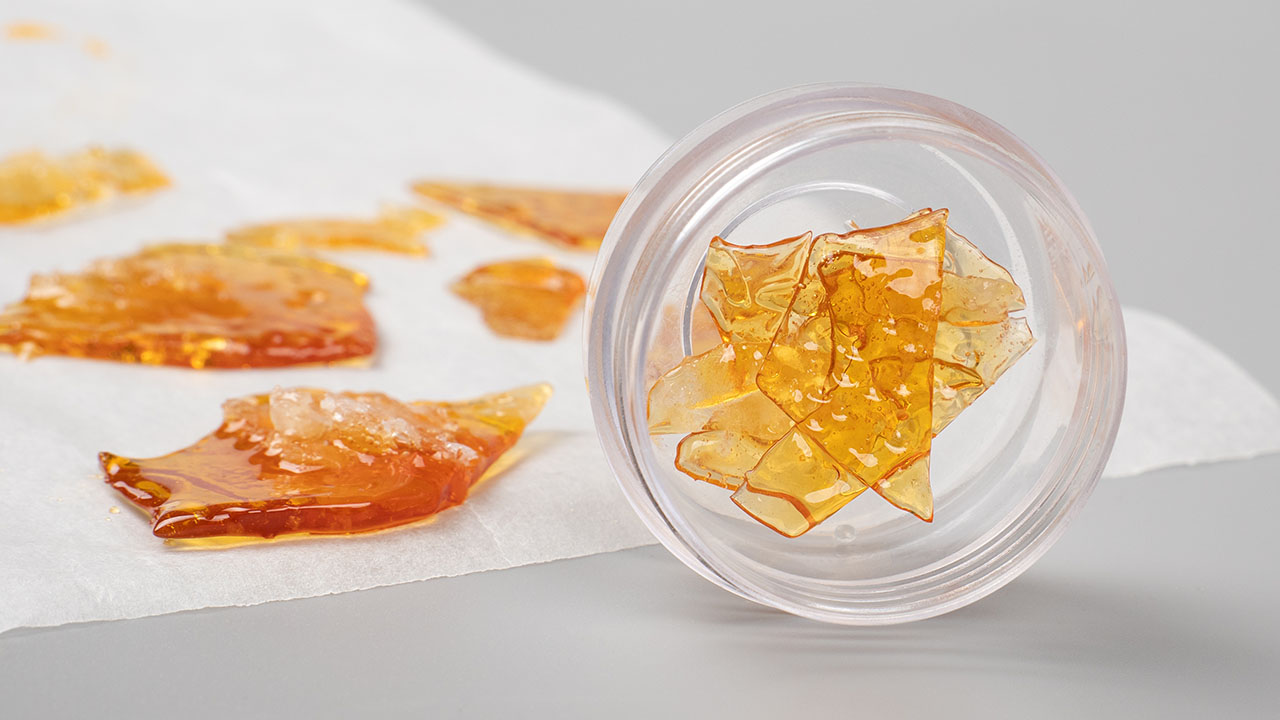
Cannabis enthusiasts are often curious about the benefits of cured resin vs live resin.
Cannabis concentrates have surged in popularity over the past decade, and among the most sought-after forms are cured resin and live resin. Both offer potent effects and rich flavors, but they are produced and experienced differently. Understanding the distinctions can help consumers make informed choices based on their preferences.
What Is Cured Resin?
Cured resin is made from cannabis that has been harvested, dried, and cured before extraction. The curing process allows the plant to develop its full cannabinoid and terpene profile, often resulting in a more refined and balanced flavor.
During curing, moisture is gradually reduced, and chemical changes occur within the plant material. This process enhances aroma and can mellow harsh flavors. Once fully cured, the cannabis is processed to extract its resin, resulting in a concentrate that maintains much of the plant’s original cannabinoid content, including THC and CBD.
Cured resin is typically known for its stability and longer shelf life compared to other concentrates. Its flavor is more subdued than live resin, often described as earthy, woody, or nutty. Consumers who prefer a smoother, more mellow experience may gravitate toward cured resin.
What Is Live Resin?
Live resin, by contrast, is produced using cannabis that is flash-frozen immediately after harvest, bypassing the traditional drying and curing process. This method preserves the plant’s fresh terpene profile, capturing a more vibrant and aromatic experience.
The flash-freezing prevents degradation of volatile compounds that are often lost during drying and curing. As a result, live resin tends to have a more complex and robust flavor profile, reflecting the original aroma of the live plant. This can include bright citrus notes, pungent pine, or tropical fruit undertones depending on the strain.
Live resin is often considered more potent in terms of flavor and aromatic experience, although cannabinoid levels can be similar to cured resin. Its texture is also distinct, frequently appearing as a sticky, saucy concentrate rather than a more solid form.
Extraction Methods and Their Impact
Both cured and live resin are produced using solvents like butane or propane in a process known as hydrocarbon extraction. This method efficiently pulls cannabinoids and terpenes from the plant material.
The primary difference lies in the starting material: cured resin uses dried and cured cannabis, while live resin uses freshly frozen flowers. Because terpenes are highly volatile, the freezing process in live resin extraction helps retain compounds that would otherwise evaporate during curing.
Another extraction technique, CO2 extraction, can be used for both cured and live resin, but it is less common. CO2 extraction is generally safer and can produce a cleaner product, although it may not preserve the full terpene profile as effectively as hydrocarbon methods.
Potency and Effects
In terms of cannabinoid content, cured resin and live resin are often similar, both delivering high concentrations of THC and other cannabinoids. The difference primarily lies in the terpene profile, which influences the sensory experience and can slightly affect the perceived effects.
Live resin’s preserved terpenes can enhance the entourage effect, potentially amplifying both the psychoactive and therapeutic properties of cannabis. This may make live resin more appealing to those seeking a more aromatic and flavor-forward experience.
Cured resin, while slightly less aromatic, provides a smoother, more consistent experience. Some consumers prefer cured resin for its stable effects and reliable potency, especially when using concentrates for medicinal purposes.
Storage and Shelf Life
Cured resin tends to have a longer shelf life than live resin due to its lower moisture content and stabilized chemical composition. Proper storage in airtight containers away from light and heat can extend its usability for months.
Live resin, while flavorful, is more sensitive to temperature fluctuations and light exposure. Its high terpene content can degrade over time, potentially reducing aroma and flavor intensity. Consumers often store live resin in a freezer to maintain freshness.
Choosing Between Cured and Live Resin
The choice between cured resin and live resin largely depends on personal preference. Flavor enthusiasts often favor live resin for its vibrant and fresh taste, while those seeking a more controlled and mellow experience may opt for cured resin.
- Cured resin: smooth, earthy flavors, longer shelf life, stable potency.
- Live resin: fresh, complex flavors, higher terpene retention, potentially more aromatic and flavorful effects.
- Extraction methods: both use hydrocarbon extraction, but live resin requires frozen plant material to preserve volatile compounds.
- Usage: both can be dabbed, vaped, or incorporated into edibles depending on user preference.
Ultimately, understanding the differences between cured and live resin empowers consumers to make informed choices. While both concentrates offer potent effects and versatile usage, flavor, aroma, and preservation considerations often guide the decision.
- Cured resin is ideal for consistent, mellow experiences with earthy flavor notes.
- Live resin is preferred for aromatic, flavor-rich experiences that capture the essence of the live plant.
- Both require careful storage to maintain quality and potency.
- Terpene profiles play a significant role in the sensory and perceived effects of each resin type.