
A quick puff or a slow sip. One takes effect within minutes; the other takes slightly longer.
Vaping and beverages are two of the most popular THC consumption formats. The difference between them isn’t just timing. It’s the whole experience.
Vaping: Fast Onset, Short Window
When you vape, THC travels directly into the lungs and passes into the bloodstream quickly. Effects are noticeable within minutes, which makes it easier to gauge the strength of the experience and stop when you want to.
The trade-off is how fast it builds. One puff may feel manageable, but several taken close together can push effects stronger and faster than expected, with less room to adjust between them.
THC Beverages: Slower Route, Longer Ride
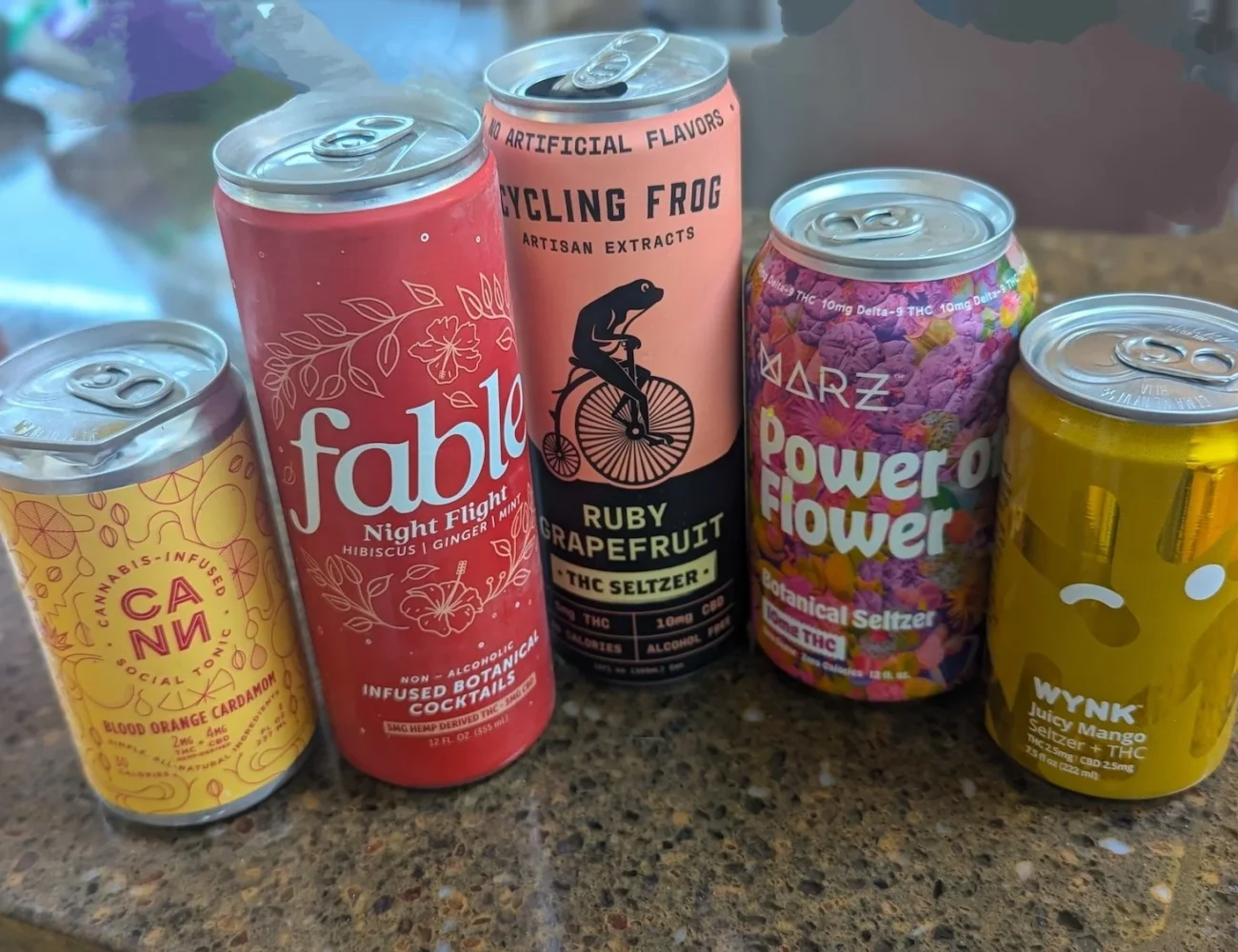
THC drinks take a different path entirely. Rather than hitting the lungs, the THC is absorbed through the mouth and digestive tract. Most modern beverages, like Crescent Canna THC drinks, are made with nanoemulsified THC, which breaks the compound into tiny water-soluble droplets the body takes up quickly. That is why a drink usually kicks in around 15 minutes, far faster than the hour or more traditional edibles can take, though still a short wait compared with the near-instant hit of a vape.
The effects also tend to last longer, often a few hours, so a single drink covers more of the evening than repeated puffs would. You sip one at your own pace rather than taking repeated puffs, and the effects build gradually over time rather than arriving in a single wave.
Why the Effects Feel Different
The path THC takes changes what the body does with it. Vaped THC reaches the bloodstream through the lungs essentially unchanged. Consumed THC passes through the liver first, where it gets converted into 11-hydroxy-THC — a metabolite that produces a distinctly different character of effect compared to inhaled THC.
This is where beverages beat traditional edibles. Because a nanoemulsified drink kicks in within about 15 minutes, you are far less likely to fall into the classic edible trap of feeling nothing, assuming the dose failed, and taking more before the first has landed. You still want to give a drink those few minutes to register before reaching for another.
Once THC takes effect, changes in mood, perception, coordination, and alertness are all possible, and with a drink, those effects tend to last longer than a vape’s.
Onset vs. Duration: What Actually Matters
Vaping wins on speed. Beverages win on duration. Neither is objectively better — they suit different intentions.
Vaping fits someone who wants quick onset and a shorter, more controllable window. A THC drink suits someone comfortable giving it a few minutes to kick in and willing to plan for a more extended experience. For most people, the context decides it: a solo evening at home might call for one; a social setting might call for the other.
That social dimension is worth noting. In a room where people are talking, sharing drinks, and listening to music, a THC beverage blends in naturally. Vaping is more visible — vapor drifts, the act draws attention, and in enclosed settings it can be unwelcome regardless of whether the product is legal.
Know Your Timeline
Both formats deliver THC through legitimate, well-understood pathways. The choice comes down to how quickly you want effects to arrive, how long you want them to last, and where you’ll be consuming. Getting clear on those three things before you choose is the simplest way to end up with the experience you actually wanted.