
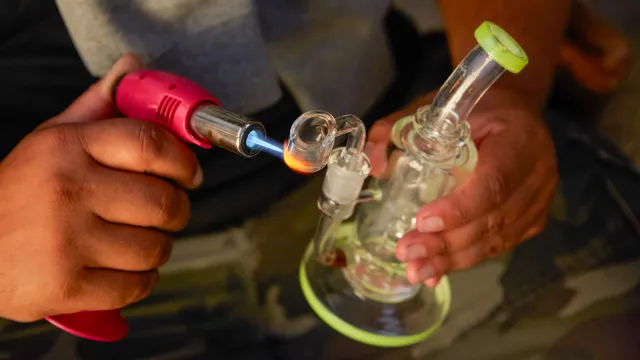
A jar of concentrate can seem pretty straightforward until you start using it. Shatter breaks into firm pieces, badder scoops up easily, and live resin can be creamy, sugary, or saucy.
Once you load a banger or concentrate chamber, those differences affect how easy the concentrate is to work with and how much heat it needs. A setup that works well for badder may not be the best fit for a brittle piece of shatter or a larger diamond.
Matching the concentrate to the hardware starts with its texture and how it behaves under heat. Get those two things right, and the rest of the setup becomes much easier to dial in.
The concentrate spectrum runs from glassy to saucy
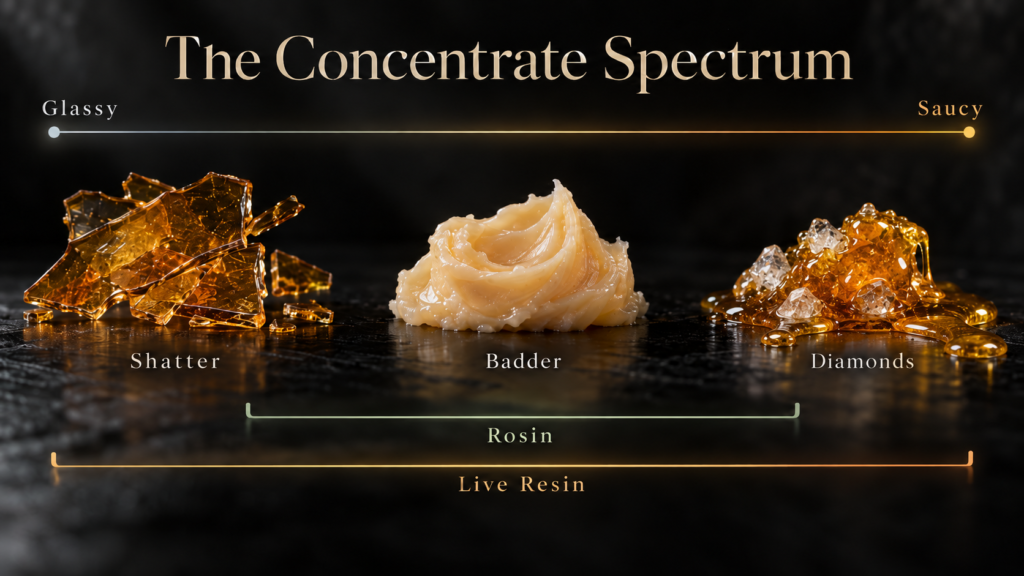
If you’re comparing cannabis concentrates, you’ll find a wide range of textures, each with a slightly different feel at the rig and you can use a site like Weedmaps to find trusted user experiences with a wide range of different concentrates. Here is what you will commonly run into:
- Shatter: Hard, glassy, and brittle, with pieces you can snap or break off for a dab.
- Badder: Soft and whipped with a smooth, scoopable consistency.
- Diamonds: THCA-rich crystals sold on their own or swimming in terpene-rich sauce.
- Rosin: A solventless concentrate made with heat and pressure. Depending on the cure and processing, rosin can come as fresh press, badder, jam, or crystals.
- Live resin: Made from fresh-frozen cannabis instead of dried and cured flower. Live resin can come as sauce, badder, sugar, shatter, or diamonds.
You will see those names stacked together all the time: live resin badder, rosin jam, live resin diamonds. The first part points to how the concentrate was made, while the second gives you a better idea of how it will behave once the dab tool comes out. Badder scoops and spreads, diamonds take more time to melt through, and sauce needs enough room to move without ending up everywhere.
Why consistency dictates the tool
Texture is where hardware choice gets practical. Shatter, badder, sauce, and diamonds all load differently, so the tool and chamber should fit the concentrate you actually dab.
- Shatter: A flat or pointed tool gives you control over brittle pieces and makes it easy to place a shard where you want it.
- Badder and cold-cure rosin: Grab a scoop or paddle. These softer concentrates cling to the tool, and the extra surface area makes them easier to load cleanly.
- Sauce: A roomier banger or chamber gives the concentrate space to spread once it warms up without turning every dab into cleanup duty.
- Diamonds: Use a scoop or flat dabber with a roomy bucket. The wider tool makes larger crystals easier to pick up and place, while the extra chamber space gives them room to melt through evenly.
Chamber design comes into play here too. Quartz bangers give you open access and plenty of room to work, while e-rigs and concentrate vaporizers give up some of that space for tighter temperature control and a more compact setup.
If you bounce between textures, look for hardware that gives you enough room to load comfortably and is easy to clean between dabs.
Temperature should match what is in the chamber

Temperature changes what you get out of a dab. Lower heat keeps more of the concentrate’s flavor intact, while turning it up produces denser vapor and a more complete melt. The trick is finding enough heat for the extract in front of you without cooking through the terpenes that made you pick that jar in the first place.
There is some chemistry behind that tradeoff. A 2017 study published in ACS Omega tested terpene degradation under simulated dabbing conditions and found that higher temperatures produced greater amounts of thermal degradation products. Terpenes are especially sensitive to heat, which is why the most aromatic concentrates can lose flavor quickly when the temperature climbs.
For delicate solventless concentrates like rosin, roughly 380°F to 545°F gives you plenty of room to work. The lower end favors flavor, while moving toward the middle of that range helps the concentrate melt more completely with less left behind.
Solvent-based concentrates like live resin, sugar, shatter, and badder can take a little more heat. Around 545°F to 570°F gives you a fuller vaporization without immediately jumping into the scorched end of the spectrum. You will trade some terpene character for a bigger, more complete hit, but these textures generally have more room to work at that temperature.
Diamonds sit at the hotter end. Their dense crystalline structure takes more energy to melt through, so THCA-heavy dabs can call for temperatures around 570°F and above. That does not mean every diamond needs to get blasted. Breaking a larger crystal into smaller pieces can help it melt more evenly without cranking the heat higher than necessary.
The sweet spot comes down to the concentrate in the chamber. Rosin rewards a lighter touch, shatter and badder can handle more heat, and diamonds need enough energy to fully melt. Start with the extract, then dial the temperature around how it actually behaves.
What not to put in a cart
It is an easy assumption to make: if live resin and rosin can come in carts, the concentrate in your jar should be able to go into one too. The catch is that cartridge hardware depends on oil moving through tiny intake holes and reaching the atomizer at a steady rate, which makes consistency a much bigger deal than it is in a dab chamber.
That is why cart oil is prepared specifically for that format. It needs to stay fluid enough to wick without becoming so thin that it floods the hardware or starts leaking. Live resin carts and rosin carts are built around that balance before they ever reach the shelf.
Jarred concentrates are made for a different kind of setup. Shatter, badder, rosin, and diamonds are meant to be loaded directly onto a heating surface where they can melt in place, rather than travel through the internal pathways of a standard 510 cartridge.
If you are ever unsure, the product format gives you the answer. Concentrate sold for dabbing belongs in dab hardware unless the manufacturer specifically says it can be used another way.
Match the hardware to the concentrate you actually use
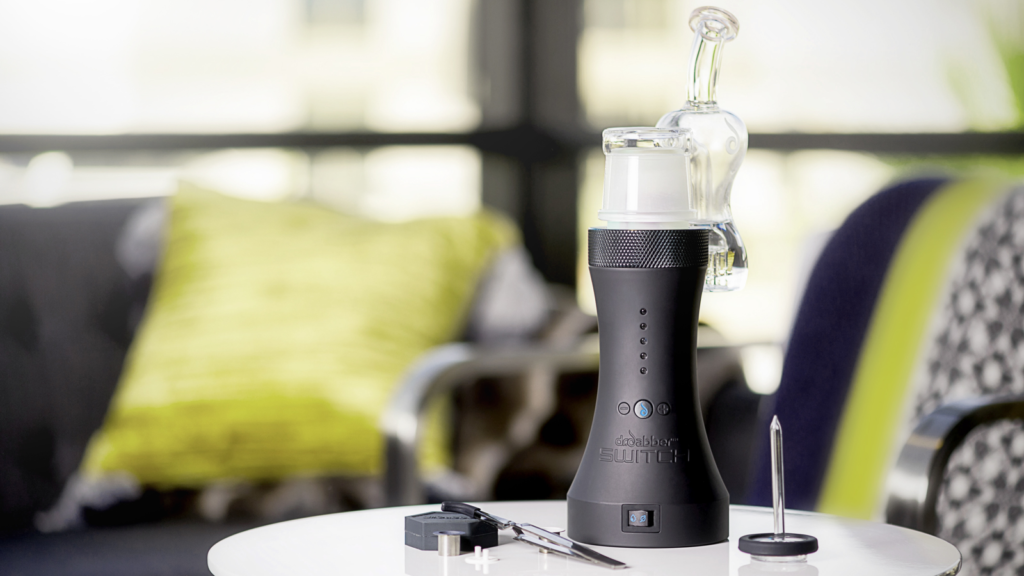
The rig is only part of the setup. The right dab tool, banger, carb cap, or loading method can make just as much difference when you are working with a specific texture.
- Shatter: Grab a pointed dabber or dab knife with an open banger. The firm texture is easy to portion and place exactly where you want it. A nectar collector is another simple option if you want to dab a small piece without setting up a full rig.
- Badder and cold-cure rosin: Use a scoop or paddle tool. The wider tip makes soft, sticky concentrates easier to pick up cleanly. A heated loading tool can also help the dab slide off instead of stretching back toward the jar.
- Rosin and terpene-rich live resin: Add a carb cap, terp pearls, or spinner cap. These concentrates shine at lower temperatures, and better airflow keeps the melted oil moving across the hot surface. An electric dab rig or e-nail is also useful when you want to return to the same temperature every session.
- Sauce: Reach for a deeper bucket or terp slurper. Both give the runnier concentrate room to move once it heats up. A slurper also pulls the oil across more heated surface instead of leaving it pooled at the bottom.
- Diamonds and diamonds in sauce: Go with a roomy bucket or terp slurper. Large crystals need space to melt through, while the sauce around them needs somewhere to travel.
- For a portable setup: Try a dab straw, nectar collector, or concentrate pen. These skip the full rig setup and make more sense when convenience matters most, although you give up some of the control you get from a larger setup.
Once you know which pieces would make your usual dab easier, Headie has plenty of options to build out your dab setup.
You do not need every piece of gear on the shelf. A few smart swaps can make shatter easier to load, keep sauce from getting away from you, or help you get more out of a terp-heavy jar.